What's Good Right Now — Sicily Eats by the Calendar, So Do We
Sicily eats by the calendar.
Not as a food trend. Not as a commitment to local sourcing or a rejection of global supply chains. Simply because that's how it has always worked — the island produces what it produces when it produces it, and the kitchen responds accordingly.

In January, the blood oranges are at their peak and the citrus is everywhere. In spring, the artichokes are impossible to avoid and worth not avoiding. By June, the eggplant is coming in. August belongs to tomatoes — San Marzano, vine-ripened, in quantities that require preserving because you can't eat them all fresh, and you'd be a fool not to try.
The Garden Collection is August made permanent.
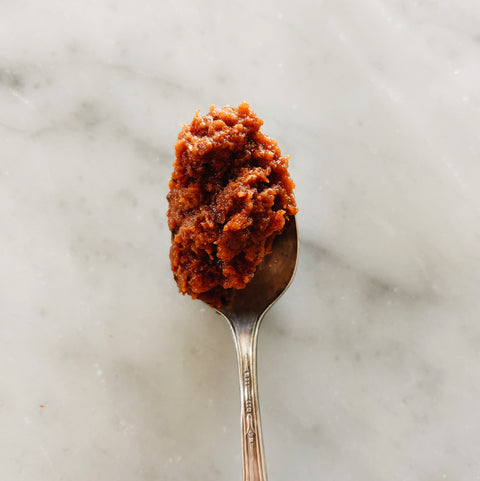
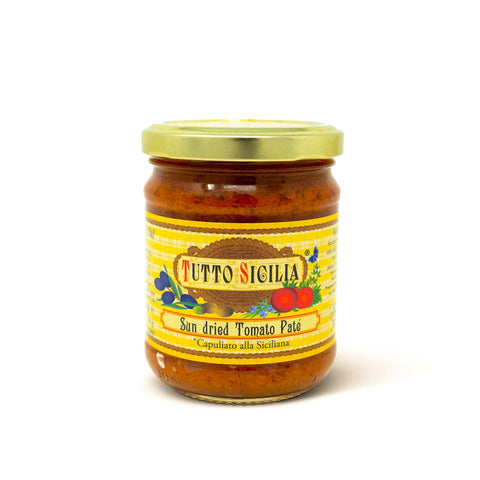
The tomatoes that went into the paté were harvested at peak ripeness, in the southernmost corner of Sicily where the summer is longest and most complete. They were dried slowly in the August sun — not processed, not rushed, just exposed to the same sun that ripened them until they became something concentrated and intense and completely themselves.
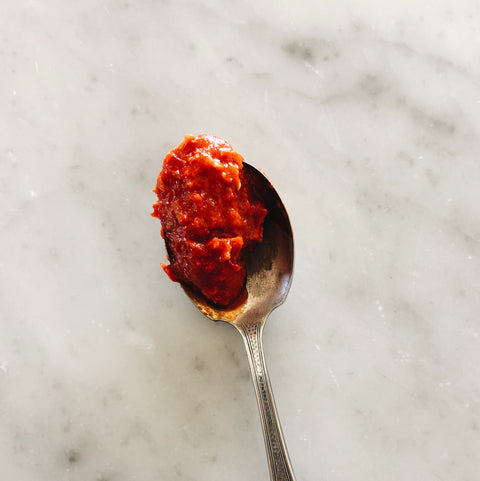
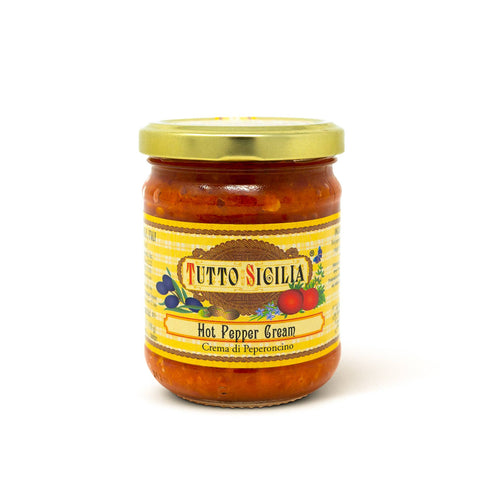
The Calabrian chilis matured on the vine through that same August. Hot pepper cream made from them carries the warmth of that season — not aggressive heat, but deep, vine-ripened heat that builds slowly and stays.
Buying these jars in October or February or April is a way of eating by the calendar even when the calendar says something else. August is in the jar. The season is preserved.
I've started thinking about my pantry this way — as a collection of seasons, each jar representing a specific moment of harvest in a specific place. The orange blossom honey is a spring morning in a Sicilian grove. The marmalade is winter citrus. The sun dried tomato paté is August in the southernmost corner of Sicily.
Open the jar. The season is still there.
The garden remembers everything. So does the jar.
the pantry
FROM THE SAME SHELF, GENERATION TO GENERATION