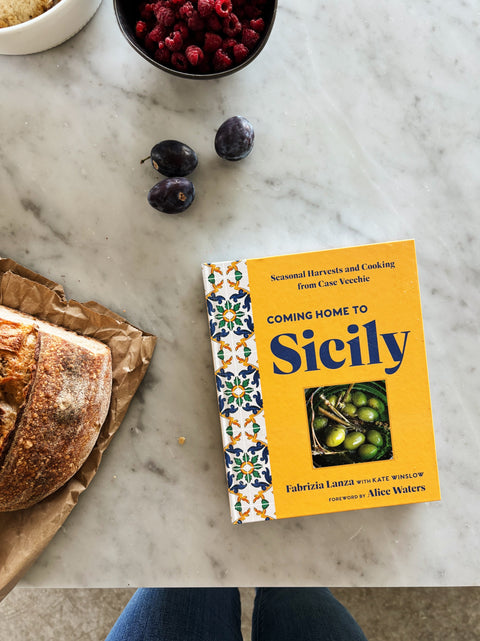
The plums hang heavy. The plums fall. We catch them in the crust.
My grandmother caught nearly every falling fruit into a pie — gooseberries, squash, apples, pears, nuts. That was how she gathered the harvest. I'm the same way. This week I passed an Italian plum tree along the roadside near my house, loaded with fruit. We gathered a boxful. Italian plums were her favorite.
An Italian fruit crostata is one of the simplest desserts to know by heart — fruit that's ripe right now, gathered the moment it asks to be, tucked into a crust that never pretends to be more perfect than it is. No pan pressing it into a shape it didn't choose. No lattice demanding precision it was never meant to have. Just dough, ripe fruit, and the particular warmth of an oven going on a slow autumn afternoon — the smell that means something good is close.

What comes out of the oven is a generous nine-inch crostata: a crust gone gold at the edges, a layer of almond pastry cream, and the plums soft on top. It's a little uneven, and that's exactly how it's supposed to be.
This is what it's like to be one with your harvest — just like Grandma.
- 280g all-purpose flour
- 100g sugar
- 170g cold unsalted butter, cubed
- 2 large eggs
- Pinch of salt
- 2 egg yolks
- 240g whole milk
- 38g sugar
- 16g cornstarch
- Splash of vanilla
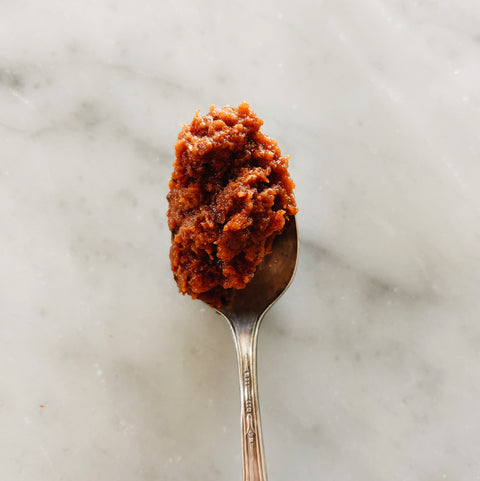
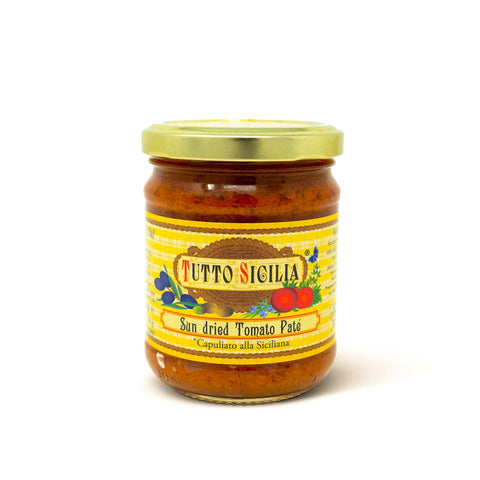
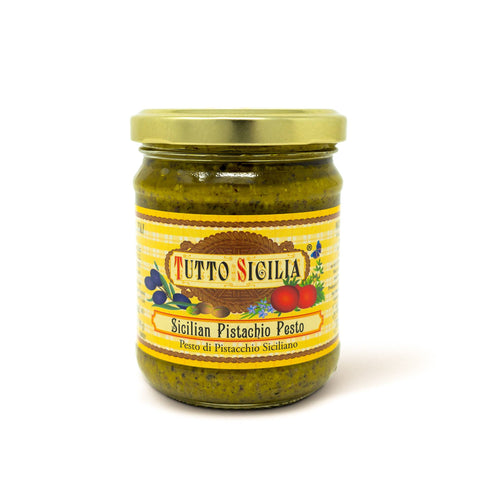
- 30g Tutto Sicilia Almond Cream
- About a dozen Italian prune plums (or any plum), halved and pitted, skins on, tossed in about 1/3 cup sugar, to taste
- Whisk the flour, sugar, and salt together. Cut in the cold, cubed butter with your hands or a pastry cutter until it looks like coarse crumbs. Add the eggs and mix just until the dough comes together — don't overwork it. Press into a disc, wrap, and refrigerate at least 30 minutes.
- Whisk the egg yolks and sugar together until pale, then whisk in the cornstarch. Warm the milk until just steaming, then slowly pour it into the egg mixture while whisking, to temper it. Pour it all back into the saucepan and cook on low, whisking the whole time, until it holds its shape but is still easily spreadable. Off the heat, stir in the vanilla, then fold in the almond cream while still warm.
- Halve and pit the plums, leaving the skins on. Toss with sugar to taste, tasting first to judge how much they need. I used about 1/3 cup.
- Roll the chilled dough out on a floured surface. Fold it loosely in quarters, move it to a parchment-lined baking sheet, then unfold it. Spoon on a thick, even layer of the pastry cream.
- Scoop or arrange the sugared plums over the pastry cream, without overcrowding.
- Sprinkle sugar over the top of the plums.
- Fold the edges of the dough up and over the fruit, loosely. Use an egg wash, heavy cream, or no wash at all. Bake at 375°F for 20 to 30 minutes, until the crust is golden and the fruit has softened.

A few things to consider — This particular crust tends to spread out a bit and is a bit crumblier, a true Sicilian crostata dough. I baked mine on a baking sheet that was a bit too small, so it couldn't totally run away from me. It's a delicious combination with the pastry cream and the fruit, and I think it tends to absorb any juices without bubbling up and over.
On crust
The crust leans more like a dunkable cookie than flaky shortcrust: more sugar than you'd expect, sturdy enough to hold the pastry cream and fruit. I fold the edges over loosely as I go around the circle and I don't fuss with it. A crostata was never supposed to look perfect.

The pastry cream
Cook it to a regular pastry cream thickness: it can hold its shape, not runny, but easily spreadable. I stir in a couple tablespoons of Tutto Sicilia Almond Cream while it's still warm, giving that true Sicilian almond essence that an extract could never. One batch is enough for one generous nine-inch crostata. Nothing extra, and certainly nothing wasted.
The plums
Ripe, but not overripe. Mine weren't very big, so I cut them in half, took out the pit and left the skins on.
How sweet
Italian plums are medium tart. I added about 1/3 cup of sugar to the plums, because I don't care for it too sweet. It could use more or less. Taste it, and find the balanced sweetness you like.

Use what you have
Any fruit works in this same crust and almond cream: plums, apricots, pears, apples, even berries.

How to serve it
You could eat the crostata warm, and truly it's delicious. But I always remember Grandma's being room temp on the counter. Though I have to admit, a cold slice from the fridge the next morning for breakfast might honestly be the better way to have it.

The plums were ready, and I was home to bake them.