The Artisanal Island: What Makes Sicilian Food Different From Everything Else
Sicily has been feeding people for three thousand years. Greeks, Arabs, Normans, Spanish — everyone who arrived brought something to the table, and the island kept what was worth keeping. What's left is a cuisine that doesn't perform. It doesn't need to. The ingredients are too good and the methods are too old for anyone to bother pretending.
THE TRADITIONAL TABLE
Three dishes that have earned their permanence:
Arancini — Palermo street food, saffron rice, ragù center, fried until the color of late afternoon. The outside is crisp. The inside is the whole point. They exist because Sicilians figured out that rice tastes better when you stuff it with something and fry it, and no one has improved on this logic.
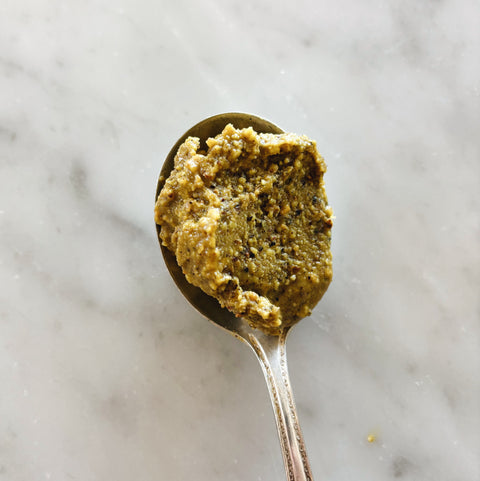
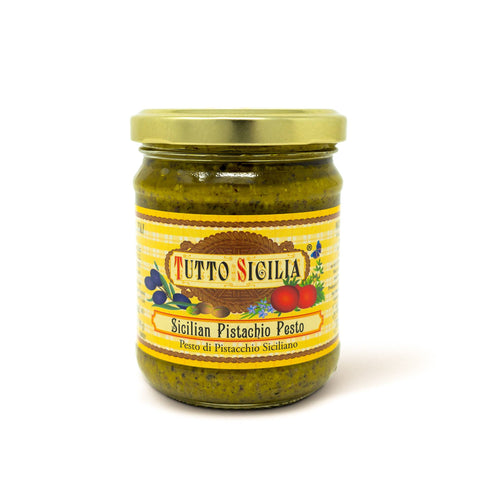
Pistachio Pesto Pasta — Not a trend. The Bronte pistachio has been growing on the slopes of Etna for centuries. Grinding it into a sauce for pasta is not creativity — it's common sense applied to one of the world's best nuts. Rich, deep green, faintly sweet against the bite of al dente. Try the pesto.
Pasta alla Norma — Catania, 1831, named after Bellini's opera because a chef decided it deserved the comparison. Fried eggplant, tomato, ricotta salata, basil, extra virgin olive oil. Five ingredients. No argument.
THE ARTISANAL TRADITION
Sicily's food culture was never factory-made. It was always someone's hands, someone's recipe, someone's orchard.
Cheese — Ricotta so fresh it's still warm. Caciocavallo aged in mountain caves. Each wheel tells you exactly where it came from and who made it. You don't need a label.
Cured meats — The mountainous interior of Sicily — cooler, drier, slower — produces capocollo and salami that carry the weight of that landscape in every slice.
Gelato — Made with Sicilian pistachios, orange, honey, almonds. Not a dessert. A philosophy about using what the island grows and not complicating it.
THE WINE
Nero d'Avola — Sicily's flagship red. Dark fruit, volcanic mineral, structure that holds up to a table of meat and aged cheese. Bold without being loud.
Grillo — Indigenous white grape, citrus-bright, clean. Made for seafood. Made for a long lunch that becomes dinner.
Neither wine is trying to be French. That's entirely the point.
Sicily doesn't need to explain itself. Three thousand years of getting it right speaks for itself. Bring some of it home.
Some things don't translate. They just live in you.
the pantry
FROM THE SAME SHELF, GENERATION TO GENERATION